
COE Rejects Proposal to Eliminate Federal TRIO Programs in FY 2027 Budget
April 3, 2026 — by Trauvello Stevenson

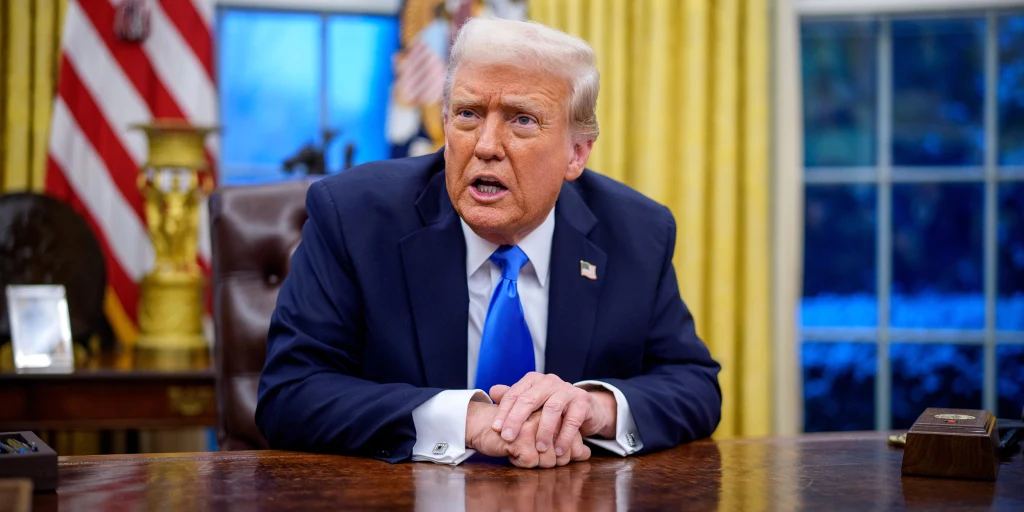
WASHINGTON, D.C. — The Council for Opportunity in Education (COE) today issued a forceful condemnation of the Trump Administration’s FY 2027 budget proposal to eliminate the Federal TRIO Programs, calling the proposal a direct attack on students and communities across the nation.
TRIO programs currently serve more than 817,000 students – including military veterans and students with disabilities – annually through approximately 3,400 programs nationwide, providing essential services such as academic advising, mentoring, financial aid guidance, and college preparation.
“Attempts to eliminate TRIO amounts to a declaration that access to higher education no longer matters,” said COE President Kimberly Jones. “This proposal turns its back on low-income students – ranging from middle-schoolers to working parents – who are fighting to overcome barriers and build better futures for themselves and their families.”
As it did last year, the Administration revives its argument that states, localities, and institutions of higher education should absorb TRIO’s responsibilities. COE strongly rejects this premise, noting that levels of college-going rates among low-income students continue to vary widely from state to state (ranging from 8% in Alaska to 40% in New Jersey). Looking beyond college enrollment, low-come students continue to trail behind students from higher income families in terms of college completion. As recently as 2022, students from the highest income families had a bachelor’s degree attainment rate of 58% as compared with students from the lowest income families, who had a bachelor’s degree attainment rate of just 16%. These vast disparities underscore the continued need for the federal investment in the comprehensive, wraparound services TRIO delivers.
“This proposal ignores reality,” said Diane Shust, COE vice president for public policy. “TRIO exists because these supports do not happen automatically. Without TRIO, hundreds of thousands of students will lose access to the guidance and support that make college success possible.”
COE emphasized that TRIO’s impact is both measurable and significant, with participants demonstrating higher rates of college enrollment, persistence, and completion compared to their peers.
“TRIO is one of the most effective and enduring federal investments in education,” said Dr. Arnold Mitchem, president emeritus of COE. “Eliminating it is abandonment. We would be walking away from generations of students whose potential has yet to be realized.”
COE is calling on Congress to, once again, reject the proposed elimination of TRIO and to strengthen its investment in programs that have proven to expand opportunity and drive economic mobility for millions of Americans.
“Last year, Congress stood with students and preserved TRIO,” Jones added. “We are calling on them to do so again. The stakes are too high to do otherwise.”
About the Council for Opportunity in Education
The Council for Opportunity in Education (COE) is a nonprofit organization, established in 1981, dedicated to furthering the expansion of college opportunities for low-income, first-generation students, and students with disabilities in all 50 states, Washington, D.C., the Pacific Islands, and Puerto Rico. Its membership includes more than 1,000 colleges and agencies. Through its numerous membership services, the Council works with colleges, universities, and agencies to help low-income students enter college and graduate. Over a million low-income students and students with disabilities each year receive college access and retention services through our member colleges and agencies.
Media Inquiries
For media inquiries or to arrange an interview, please contact Trauvello Stevenson, digital media manager at COE via email at [email protected] or call (202) 347-7430.
More News & Impact
-
Blog
Alumni Leaders Reflect on the Power of Opportunity at Capitol Hill Lunch Briefing
by Terrance L. Hamm
-
Blog
When Policy Becomes Personal: My Journey as a Wolanin Congressional Intern
by Brianna Mendelson
-
Blog
TRIO Future Leaders Summit Ignites Passion and Purpose in First-Generation Students Nationwide
by Terrance L. Hamm
-
Blog
Why Trump’s Budget Proposal Betrays a Generation of Low-Income College Students
by Alejandra Campoverdi and Aaron Brown, Ph.D.
-
Press Releases
New Report from Pell Institute Reveals How Black, Latinx, and Indigenous Students Perceive the Value of College Degrees
October 16, 2024
-
Blog
U.S. Representative Adriano Espaillat Addresses Diversity and Education at COE Annual Conference
by Terrance L. Hamm
-
Press Releases
The Council for Opportunity in Education Announced 2024 National TRIO Achiever Award Recipients
August 9, 2024
-
Blog
Balancing Acts: 2024 Wolanin Intern and Mother of Four Recalls Her Journey to Capitol Hill
by Ni’Aisha Banks
-
Blog
Demystifying Graduate School: A Guide for First-Gen BIPOC and Nontraditional Students
by Yvette Martinez-Vu and Miroslava Chavez-Garcia
-
Blog
Empowering Excellence: A TRIO Program’s Journey to Streamlined Success with empower™
by Terrance L. Hamm
-
Blog
Unleashing the Roar: A STEAM Symposium in Celebration of the Jurassic Park 30th Anniversary
by Trauvello Stevenson
-
Press Releases
National First-Generation College Celebration Honors First-Generation Student and Alumni Accomplishments on November 8
October 30, 2023
-
Blog
Breaking Barriers in Finance: The Impact of TRIO on Student Support Services Alumna Ashley Thomas
by Holly Hexter, Neve Dole
-
Press Releases
Council for Opportunity in Education Appoints Aaron Brown as Executive Vice President
July 17, 2023
-
Press Releases
The Council for Opportunity in Education Announces 2023 National TRIO Achiever Award Recipients
June 30, 2023
-
Blog
Research Reveals Ways to Improve Mental Health Support for First-Generation Students
by Holly Hexter
-
Press Releases
President Biden Continues to Prioritize Federal TRIO Programs in FY 2024 Budget
March 10, 2023
-
Blog
Mason Award and TRIO Family Award Winners Celebrate Lives Changed for the Better
by Maura Casey
-
Press Releases
Council for Opportunity in Education Board of Directors Unanimously Chooses Kimberly A. Jones as Its Third President
September 21, 2022
-
Press Releases
Record Number of Bipartisan Representatives Call to Prioritize Funding for Federal TRIO Programs
April 27, 2022
-
-
Press Releases
Council for Opportunity in Education Partners with Nucleus to Host Pitch Competition for Student Entrepreneurs
April 24, 2022
-
Press Releases
We Applaud Senate Resolution Recognizing National First-Generation College
April 19, 2022
-
Press Releases
COE Hosts Education Secretary Cardona to Facilitate 2021 Book Club Discussion with TRIO Students Nationwide
July 28, 2021